The cruel paradox of performance culture
When Trying Harder Makes Us Worse
We have all had experiences inside performance culture. I taught it, I sold it, and for a long time I believed it. The clients I work with report a similar takeaway from these environments: push harder, optimise, reach the next level. It was only after I left that world, and began studying the nervous system, that I understood how much of that message works against the very people it claims to help.
This month I want to explore a simple but uncomfortable idea: that a performance culture, for many people, quietly erodes the very capacity it asks them to perform with.
Two systems, one conversation
To understand this, it helps to know that your nervous system is really a conversation between two parts. The central nervous system—your brain and spinal cord—does the thinking, planning and deciding. The peripheral nervous system runs from there out into the rest of your body: your gut, your heart, your muscles. Together, both are constantly scanning for one thing: am I safe?
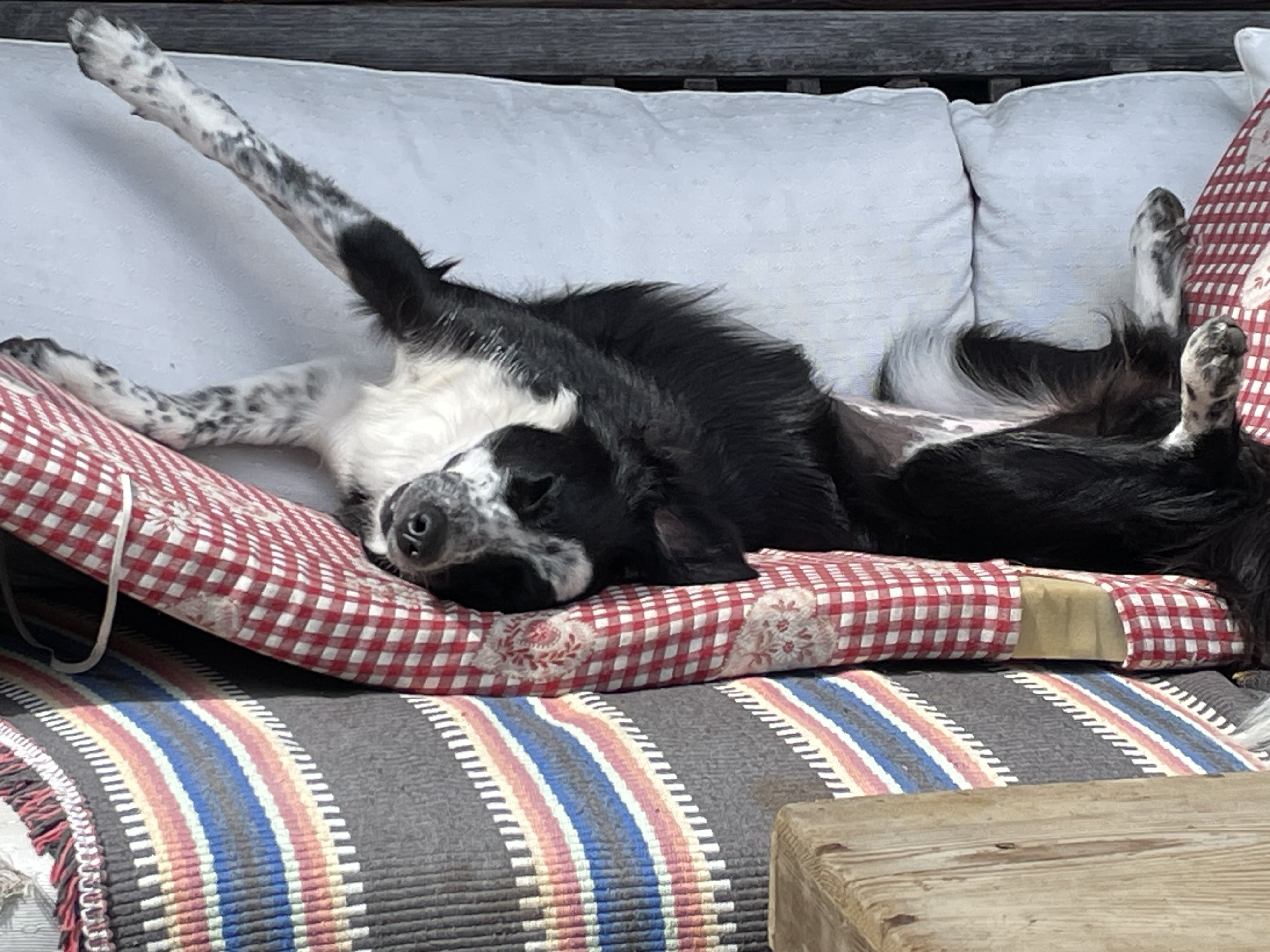
When the two are in good conversation, the body says "I'm safe," the brain relaxes, and you can focus, learn, create and connect. This is what I came to think of as the Goldilocks zone—not too revved up, not shut down, just right. In this zone, performance isn't forced. It emerges. One could say you're in flow.
But when the body, the brain, or both sense danger, we go on high alert and the conversation breaks down. The nervous system moves into a heightened state of alert. The brain, flooded with threat signals, starts to narrow. Thinking gets rigid, memory fixates on past situations that were dangerous, and the parts of us that need safety to function—like curiosity, trust and care—go quiet.
This is the cruel paradox of performance culture: the more we demand performance from a nervous system that feels unsafe, the less it can give. We mistake a survival response for a lack of effort, and so we push harder, which makes the body feel even less safe.
The cost no one puts on the balance sheet
What gets lost in this cycle isn't just output. It's something quieter and harder to name: a sense of safe confidence. That quiet inner steadiness that lets you take a risk, try something new, or not know the answer yet. When the nervous system is stuck bracing for judgment, that confidence drains away, and what's left is a low hum of overwhelm, a feeling of being permanently behind.
I know this from the inside. I have dyslexia, and I learned to perform my way through a world that wasn't built for the way my brain works. I got very good at looking like I belonged while quietly exhausting myself to do it. That is what performance culture can do to someone whose nervous system is already working overtime: it rewards the mask and starves the authenticity underneath it.
The alternative: a trusting environment
So what would the opposite look like? Not the absence of challenge, because challenge is good for us. The difference is the container. In a trusting environment, success and failure stop being verdicts on your worth and become something else entirely: information. Feedback. A new way of engaging with what you really need to move forward, rather than what you think is culturally acceptable—a genuine seeking of support in the areas that truly need growth.
In that kind of space, the nervous system can relax enough to find its Goldilocks zone again. People don't have to defend themselves, so they can actually grow. They can shine and excel, not because they're afraid of falling short, but because they feel safe enough to try.
And here is the part I think we are often too polite to say. A genuinely trusting environment also gives people permission to become who they want to be. If someone realises that a role or a path is simply not aligned with who they are, that isn't failure. That is a nervous system finding its way home. Sometimes the most courageous, healthy thing a person can do is stop trying to force themselves into a shape that keeps them in survival, and go find the activity their body was actually built for.
A small invitation
You don't have to solve any of this today. But you might notice, this month, one moment when you're pushing harder than the situation actually asks for, and gently ask your body a different question: what would it feel like to do this from a place of safety instead?
That question is where the work begins.